-
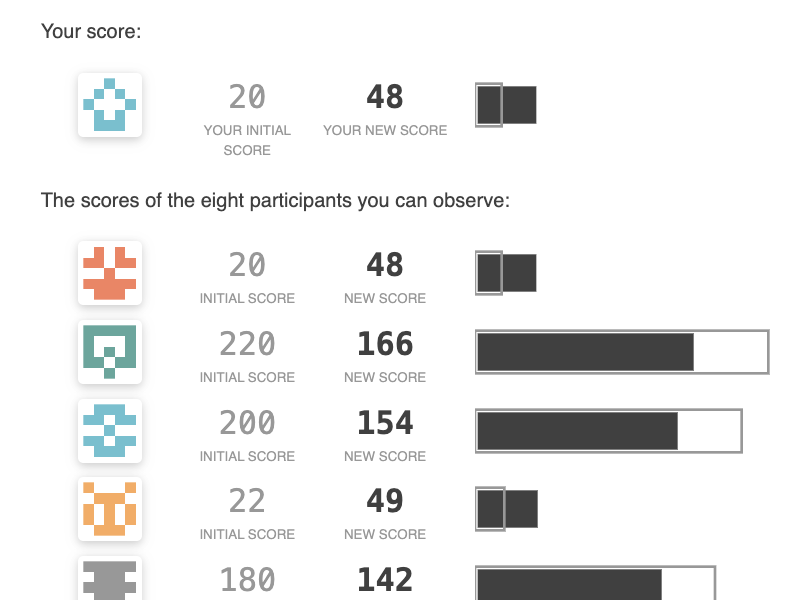
Redistribution
Read more: RedistributionMost people dislike inequality, yet large disparities in income and wealth remain remarkably high in many democratic countries. One possible explanation is that people’s social networks affect their perception of inequality and consequently, their demands for redistribution. In this study, Henrik Olsson, Mirta Galesic, and I investigate the effects of…
-
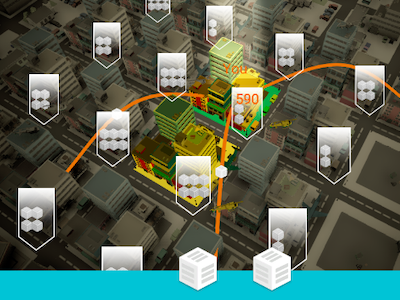
Heterogeneity and Inequality
Read more: Heterogeneity and InequalityPeople differ in intelligence, cognitive ability, personality traits, motivation, and similar valued and, to a large degree, inherited characteristics that determine success and achievements. When does individual heterogeneity turn into a fair distribution of rewards and outcomes? While most prior sociological and social psychological research has investigated subjective individual perceptions…
-
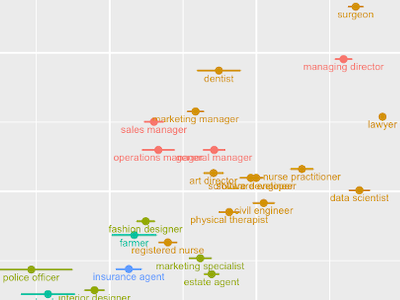
Measuring SES on Twitter
Read more: Measuring SES on TwitterThe rise of social media and computational social science (CSS) has opened countless opportunities to explore social science questions with new forms of data and methods. However, CSS research on socioeconomic inequality, a fundamental problem in sociology, has been constrained due to the lack of individual-level socioeconomic status (SES) measures…
-
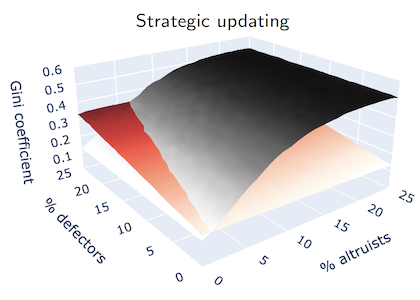
Reputation and Inequality
Read more: Reputation and InequalityIn the last several decades, ample evidence from across evolutionary biology, behavioral economics and econophysics has solidified our knowledge that reputation can promote cooperation across different contexts and environments. Higher levels of cooperation entail higher final payoffs on average, but how are these payoffs distributed among individuals? This study investigates…
-
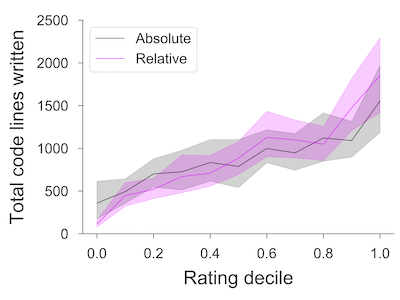
Social Comparison
Read more: Social ComparisonRanking in contests and competitions is often used to motivate individual contributions but it can have negative impact on the group. This paper studies the effect of social comparison on the dispersion and predictability of individual performance. The work was done in collaboration with Sebastian Müller (LSE’18) and researchers from…