-
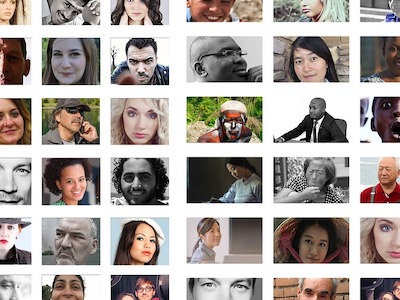
Habitus Online
Read more: Habitus OnlineOur upbringing and education influence not only how we present and distinguish ourselves in the social world but also how we perceive others. Michael V. Reiss (LSE MSc ’19) and I apply this central sociological idea to the social media context. We conduct a large-scale online study to investigate whether…
-
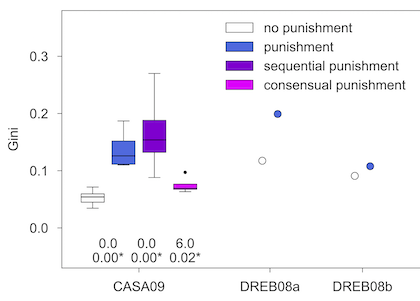
Inequality in Social Groups
Read more: Inequality in Social GroupsFrom small communities to entire nations and society at large, inequality in wealth, social status, and power is one of the most pervasive and tenacious features of the social world. What causes inequality to emerge and persist? In this study, Claudia Wagner, Andrew Mao, and I investigated how the structure…
-
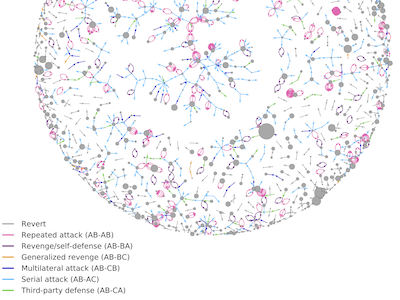
Dynamics of Disagreement
Read more: Dynamics of DisagreementDisagreement and conflict occur commonly in social life and considerably affect our well-being and productivity. Such negative interactions are rarely explicitly declared and recorded and this makes them hard for scientists to study. I worked with Ruth García-Gavilanes and Taha Yasseri from the Oxford Internet Institute to overcome this challenge.…
-
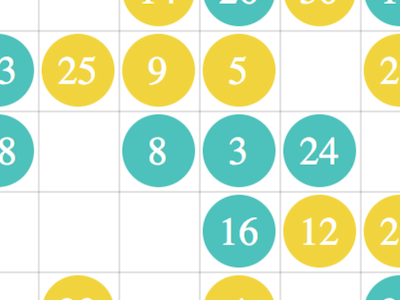
Mechanisms of Segregation
Read more: Mechanisms of SegregationI collaborated with David Sumpter from Uppsala University and members of his Collective Behavior Group to do an experimental study on segregation mechanisms. Segregation is widespread in all realms of human society. Several influential studies have argued that intolerance is not a prerequisite for a segregated society, and that segregation…
-
User-Contribution Communities
Read more: User-Contribution CommunitiesEvery day, millions of people write online restaurant reviews, leave product ratings, provide answers to unknown users’ questions, or contribute lines of code to open-source software, all without any direct reward or recognition. People help strangers offline as well, as when they anonymously donate blood or stop to help a…