-
The Contagion of Antisocial Behavior
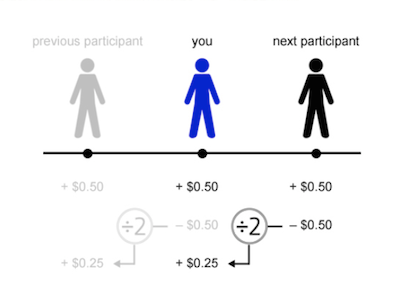
Read more: The Contagion of Antisocial BehaviorMichael W. Macy and I replicated the study on the contagion of generosity for antisocial behavior. In the new online experiment, participants could anonymously take a portion of another participant’s payment. We found that people are more likely to harm others if they have been harmed and they are less…
-
The Contagion of Generosity
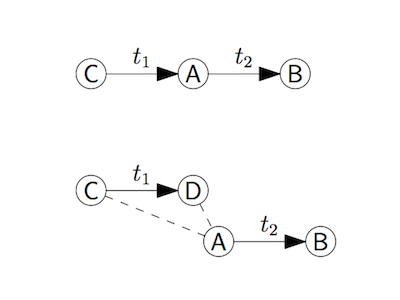
Read more: The Contagion of GenerosityPrevious research has suggested that generosity may spread among individuals. However, the mechanisms through which such contagion occurs have remained unknown. Michael W. Macy and I distinguished between two mechanisms for the contagion of prosocial behavior among strangers: generalized reciprocity (a recipient of prosocial behavior is more likely to pay…
-
Microfoundations of Inequality
Read more: Microfoundations of InequalityIf individuals are both inherently moderately heterogeneous as the ubiquitous “bell-shaped curve” suggests and inequity-averse as laboratory experiments on anonymous small-group interactions repeatedly show, why is inequality pervasive in society? In this project, I review social-psychological approaches to the problem of inequality. My investigation reveals that previous research had mainly…
-
Gossip
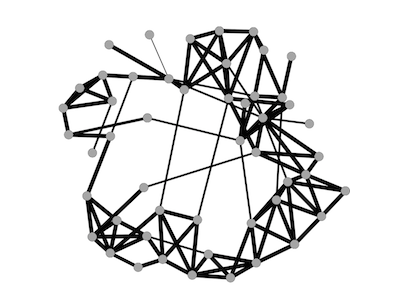
Read more: GossipAllison Shaw, Roozbeh Daneshvar, and I developed a simple model for the effect of gossip spread on social network structure. We define gossip as information passed between two individuals A and B about a third individual C which affects the strengths of all three relationships: it strengthens A-B and weakens…
-
Reciprocity
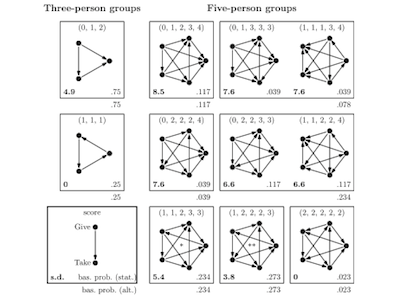
Read more: ReciprocityAsymmetric relations such as lending money, doing favors and giving advice form the basis of mutual aid and cooperation in human societies. However, they also provide a mechanism for the emergence of inequalities and hierarchies. Reciprocal behavior at the dyadic and network levels can prevent the aggregation of unequal exchange…